During a bathroom renovation, homeowners must consider a shower’s appearance, installation requirements, and long-term maintenance. Smooth wall panels can simplify cleaning, while tile offers more choices for colors, patterns, and decorative details.
Comparing acrylic shower walls vs. tile means weighing these differences alongside repair options, project costs, and the condition of the existing bathroom.
Acrylic Shower Walls vs. Tile: Key Differences
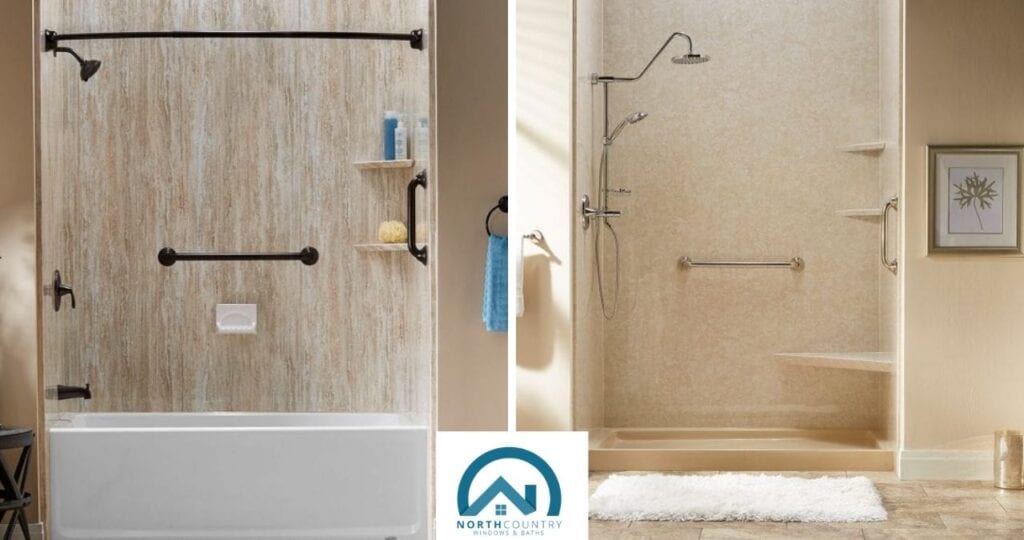
Acrylic shower systems use large panels, while tiled showers consist of individual pieces separated by grout joints. This difference affects cleaning, installation, and repairs.
|
Feature |
Acrylic Shower Walls |
Tile Shower Walls |
|---|---|---|
| Appearance | Smooth surfaces and stone-inspired patterns | Many colors, shapes, and designs |
| Cleaning | Generally requires less scrubbing | Grout lines may need extra attention |
| Installation | Often quicker with compatible panel systems | Usually requires more labor and installation steps |
| Repairs | Damage may require specialized repair or panel replacement | Individual tiles may be replaceable |
| Design Flexibility | Depends on available panel styles | Extensive options for patterns and layouts |
| Maintenance | Seams and caulked joints need inspection | Grout maintenance depends on its type and condition |
Neither option is automatically waterproof. Proper moisture protection depends on the substrate, waterproofing system, seams, and installation quality.
Cleaning and Maintenance Requirements
Acrylic panels have fewer joints where soap residue and grime can collect, making routine cleaning more straightforward. Tile requires regular attention to grout lines.
Maintenance depends on the material and the bathroom environment:
- Acrylic: Use manufacturer-approved cleaners and avoid abrasive products that could damage the surface.
- Tile: Clean grout regularly and seal it when required by the grout manufacturer’s instructions.
- Both systems: Inspect corners, seams, and areas around fixtures for deteriorating caulk or visible damage.
Stained grout does not always indicate a leak. Soap buildup and mineral deposits can also cause discoloration. However, loose tiles, recurring deterioration, or moisture damage may warrant professional inspection.
Installation Time and Preparation
Acrylic panels can often be installed faster than traditional tile because they cover larger areas without requiring individual pieces to be set and grouted.
Some straightforward replacements may take a day, but project timelines vary. Demolition, plumbing changes, and damaged framing can add time. Tile installation generally involves additional steps, including layout, tile setting, grouting, and appropriate curing periods.
Before approving an estimate, check whether it accounts for:
- Removal and disposal of existing materials
- Wall preparation and repairs
- Waterproofing and sealing details
- Plumbing and fixture adjustments
- Installation, finishing, and cleanup
The condition of the existing wall matters as much as the chosen material. Corners, niches, fixture openings, and transitions between the walls and shower base need proper detailing to manage moisture.
When comparing acrylic shower walls vs. tile, consider preparation requirements and installation complexity rather than focusing only on completion time. Ask the contractor how the walls will be inspected and how hidden damage will be handled.
Durability and Repair Concerns
Both materials can perform well when installed and maintained properly, but each has different vulnerabilities.
|
Common Concern |
What Homeowners Should Know |
|---|---|
| Scratched or cracked acrylic | Check the manufacturer’s recommended repair options. Extensive damage may require panel replacement. |
| Cracked or loose tile | Determine whether the damage is isolated or more extensive. |
| Crumbling grout | Investigate the cause instead of repeatedly patching the same area. |
| Recurring moisture damage | Have the source assessed, including the waterproofing system when appropriate. |
Replacing a tile or panel will not necessarily resolve damage behind the shower wall. Before hiring a contractor, ask whether warranties cover materials, workmanship, or both.
Choosing the Right Shower Wall for Your Bathroom
Acrylic may suit homeowners who want easier routine cleaning, fewer grout joints, and a coordinated finish. It can also offer a shorter installation process when the existing bathroom is suitable for the system.
Tile may be a better fit for homeowners who prioritize custom patterns, varied colors and textures, mosaics, or decorative niches. Its design flexibility can involve more installation labor and ongoing grout care.
Consider these factors when comparing the options:
- Budget: Compare total project costs, including labor, demolition, and repairs, not just material prices.
- Bathroom condition: Damaged walls or plumbing changes can affect the cost and timeline of either installation.
- Maintenance: Consider how much time you want to spend cleaning grout and inspecting joints.
- Design: Decide whether you prefer coordinated panels or a more customized tile layout.
Homeowners in Omaha, Lincoln, eastern Nebraska, and western Iowa can weigh these considerations when planning a bathroom update. North Country Windows & Baths offers acrylic shower systems and bathroom remodeling services to help homeowners explore options for their spaces.
Making a Practical Shower Wall Decision
Choosing between acrylic shower walls and tile means balancing maintenance, design preferences, installation requirements, and budget. Acrylic offers easier surface care, while tile provides more options for customized designs.
Ultimately, acrylic shower walls vs. tile comes down to your household’s needs and preferred appearance. Compare complete estimates and confirm the waterproofing method, preparation requirements, and warranty coverage before making a decision.
Frequently Asked Questions
Can acrylic shower walls be installed over existing tile?
Some systems allow installation over existing tile if the surface is stable, level, and suitable. Damaged tiles or underlying moisture problems may require removal and repairs first. Follow the manufacturer’s installation requirements.
Do acrylic shower walls look realistic?
Some panels imitate marble, stone, or tile patterns. Viewing samples can help you assess the finish and pattern before choosing a design.
Does either material increase home resale value more?
Neither guarantees a higher resale value. Buyers may have different preferences, and overall bathroom condition, workmanship, and local market expectations also matter.
Can hard water affect acrylic and tile differently?
Mineral deposits can appear on both surfaces. Grout may need extra attention, while acrylic can also develop visible residue. Use cleaners approved for the material.
What should homeowners confirm before installation?
Confirm the schedule, wall preparation, waterproofing method, and process for unexpected repairs. Ask how corners and plumbing openings will be finished and when the shower can be used.
North Country Windows & Baths in Omaha, Lincoln, NE, and the Surrounding Areas
At North Country Windows & Baths, our Windows are backed by a Lifetime Warranty, giving our customers peace of mind. Each window is custom-made to fit your home with state-of-the-art engineering by design, and energy efficiency enhanced by style. Our windows are made to last for years of maintenance-free beauty.
Whether you want a tub shower combo surrounded by subway tile or a low threshold shower with granite-like walls, you can customize your BathWraps space and even add accessories like soap dishes, caddies, seating, grab bars, and more. Contact us today.