Condensation and mold prevention in bathrooms is crucial during the winter months, as trapped humidity and temperature shifts create ideal conditions for dampness and mold. Bathrooms often experience condensation that damages paint, walls, and fixtures. Managing humidity levels and ensuring proper ventilation are essential to prevent mold buildup and maintain a healthy space.
Winter presents additional challenges because cold surfaces attract moisture, making bathrooms more susceptible to dampness. Proper ventilation, consistent heating, and quick repairs of leaks are vital steps to keep the space dry and mold-free. Ignoring these signs can lead to bigger problems that are harder to fix later.
Condensation, Mold, and Winter Bathrooms: A Prevention Guide for Healthy, Moisture-Free Spaces
Understanding Condensation in Winter Bathrooms
Condensation happens when warm, moist air touches a cold surface. In winter bathrooms, the cold air outside and cooler surfaces inside create the right conditions for water droplets to form. This moisture can build up quickly, especially during and after showers.
How Condensation Forms
Condensation occurs because of temperature differences between the air and surfaces. Warm air holds more moisture than cold air. When this warm, moist air meets a cold surface like a bathroom wall or bathroom windows, it cools down rapidly.
The cooling causes moisture in the air to change from vapor into liquid water. This liquid forms droplets on surfaces, which is what people see as condensation.
If the bathroom is poorly ventilated, moist air stays longer, increasing condensation risk. Without airflow to remove the moisture, water droplets accumulate more.
Common Bathroom Moisture Sources
Showers and baths produce the most moisture in bathrooms. Hot water creates steam, filling the air with moisture quickly.
Other sources include drying wet towels or when people dry clothes indoors using a tumble dryer in a small space without ventilation. Faucets, sinks, and leaks can also add humidity, but less than showers.
Using a fan or keeping windows open can help remove excess moisture. If these are missing or not working well, moisture builds up fast.
Seasonal Factors Affecting Humidity
Winter temperatures outside are low compared to the warm bathroom. This makes bathroom walls and bathroom windows much colder, causing more condensation.
Cold surfaces cool the warm, moist air faster, making water droplets form quickly after showers.
Additionally, people tend to keep windows closed in winter to save heat. This reduces ventilation, trapping moist air inside.
Heating systems may dry air in other rooms, but bathrooms stay humid without enough airflow or heat. This combination makes winter bathrooms prone to condensation.
Mold Growth Risks and Effects
Mold grows quickly in bathrooms during winter due to moisture buildup from condensation. This leads to health problems and can cause damage to the building’s structure. Understanding these risks helps with proper prevention and control.
Why Mold Thrives in Winter Bathrooms
Winter creates perfect conditions for mold in bathrooms. Warm indoor air meets cold surfaces like windows and tiles. This causes condensation, which keeps surfaces wet. Mold spores find this moisture ideal for growing.
Bathrooms often have poor ventilation, trapping moist air inside. Shower steam and water spills add to the humidity. Without quick drying or airflow, mold can form on walls, ceilings, grout, and around sinks.
Leaks from pipes or faucets can also cause damp spots that encourage mold growth. The combination of warmth, moisture, and organic materials provides mold with what it needs to spread fast during cold months.
Health Impacts of Mold Exposure
Mold exposure can cause a variety of health problems, especially for sensitive individuals. Common issues include coughing, sneezing, and eye irritation. Some people may experience worsening asthma or allergic reactions.
Mold releases tiny spores and chemicals into the air that can irritate the lungs. In severe cases, prolonged exposure could lead to respiratory infections or chronic breathing problems.
Children, elderly people, and those with weakened immune systems are more likely to suffer stronger health effects. Preventing mold growth helps reduce these risks and keeps indoor air safer to breathe.
Structural Damage Potential
Mold can seriously damage a bathroom’s structure if left untreated. It feeds on damp materials like wood, drywall, and grout, breaking them down over time. This weakens walls, ceilings, floors, and fixtures.
Hidden mold inside walls or under flooring can go unnoticed but still cause rot and decay. Water damage linked with mold often leads to costly repairs and replacement of building parts.
Mold also creates unpleasant odors and stains. Early action to clean and dry wet areas stops mold from spreading and protects the bathroom’s structural integrity.
Effective Prevention Strategies
Moisture control, air flow, temperature, and cleanliness are key to preventing condensation and mold in winter bathrooms. Each factor plays a role in maintaining a dry and healthy space.
Improving Bathroom Ventilation
Proper ventilation reduces moisture build-up quickly. Installing or using exhaust fans that vent outside is essential. Fans should run during showers and for at least 20 minutes afterward to clear humid air.
Opening windows when the weather permits can also help air circulate. If windows are not an option, consider adding a heat recovery ventilator to bring in fresh air while keeping heat inside.
Bathroom vents and fans must be cleaned regularly to work well. Clogged systems reduce efficiency and increase electricity bill consumption.
Humidity Control Methods
Maintaining balanced humidity levels between 30% and 50% prevents condensation. Use a dehumidifier or ensure steady airflow to keep the air dry.
Heated towel racks or bathroom-safe heaters help dry damp air faster. Removing wet towels and bath mats quickly also reduces moisture sources.
Fixing leaks and sealing grout also help control moisture. Condensation and mold prevention in bathrooms depend on keeping surfaces dry and air circulation steady.
Insulation and Heating Solutions
Proper insulation stops cold surfaces from forming. Insulated walls and windows keep indoor air warmer and minimize condensation on surfaces.
Installing double-pane or insulated windows in bathrooms reduces cold spots. Heating the bathroom evenly prevents cold corners where moisture collects.
Using mild, consistent heating during cold months controls temperature swings. Space heaters or underfloor heating are effective when used safely and with moisture prevention in mind.
Routine Cleaning Practices
Cleaning keeps mold spores from growing into visible problems. Surfaces prone to moisture should be wiped down regularly with mold-resistant cleaners.
Pay special attention to corners, tile grout, and behind fixtures where water can hide. Removing soap scum and dirt also slows mold growth.
Regularly check and clean drains to ensure water flows freely. Promptly addressing leaks or standing water stops mold before it starts.
Using mold-resistant paint on walls and ceilings adds protection. These small daily habits help maintain a healthy bathroom environment during winter.
Ongoing Maintenance and Monitoring
Consistent upkeep is key to preventing mold and managing moisture in winter bathrooms. Careful observation and timely action reduce risks and keep the space healthy and dry.
Regular Inspections
Check bathrooms weekly for dampness or condensation around sinks, showers, and bathroom windows. Using a moisture meter to detect hidden dampness.
Clean and maintain ventilation systems often to keep airflow effective.
Keeping an inspection checklist helps spot recurring problems like leaks or mold spots. Addressing these early ensures effective condensation and mold prevention in bathrooms.
Identifying Early Warning Signs
Early signs of mold or moisture buildup include a musty smell and visible dark spots. Condensation that remains on mirrors or windows for long periods indicates high humidity. Peeling wallpaper or bubbling paint also signals damp issues.
He or she should also watch for clogged or slow-draining drains, as standing water raises moisture levels. Warped baseboards or soft drywall are signs of ongoing water damage.
Prompt cleaning of mold spots with mold-safe cleaners can stop the spread. Addressing leaks or broken seals immediately reduces the chance of long-term damage. Detecting these signs early prevents costly repairs later.
When to Seek Professional Help
If mold covers a large area (greater than 10 square feet), a professional inspection is necessary. Professionals identify hidden mold behind walls and test air quality to assess health risks.
If mold keeps coming back after cleaning, it means there’s a deeper moisture issue. When water damage or health problems occur, professionals can safely remove the mold and prevent it from returning.
Experts use specialized tools and equipment to find moisture sources. Their guidance helps prevent mold from returning by recommending repairs or upgrades in ventilation and insulation.
Frequently Asked Questions
1. Why does condensation get worse in bathrooms during winter?
Condensation increases in winter because warm, moist air from showers meets cold bathroom surfaces like mirrors, walls, and windows. The greater the temperature difference, the faster moisture turns into water droplets.
2. How can I tell if my bathroom ventilation system isn’t working properly?
If mirrors or windows stay fogged for more than 20 minutes after a shower, or if you notice musty smells or peeling paint, your fan or vent may not be removing enough moisture.
3. What are the most effective ways to reduce humidity after a shower?
Running the exhaust fan for 15–20 minutes after showering, wiping down wet surfaces, and leaving the door slightly open to circulate air all help lower humidity quickly.
4. Can insulation or window upgrades actually reduce mold risk?
Yes. Better insulation and double-pane windows reduce cold spots where moisture forms, helping prevent condensation that often leads to mold growth.
5. When should I call a professional for mold or moisture problems?
If mold covers more than about 10 square feet, keeps reappearing after cleaning, or there are signs of hidden leaks or structural damage, a professional inspection is necessary.
North Country Windows & Baths in Omaha, Lincoln, NE, and the Surrounding Areas
At North Country Windows & Baths, our Windows are backed by a Lifetime Warranty, giving our customers peace of mind. Each window is custom-made to fit your home with state-of-the-art engineering by design, and energy efficiency enhanced by style. Our windows are made to last for years of maintenance-free beauty.
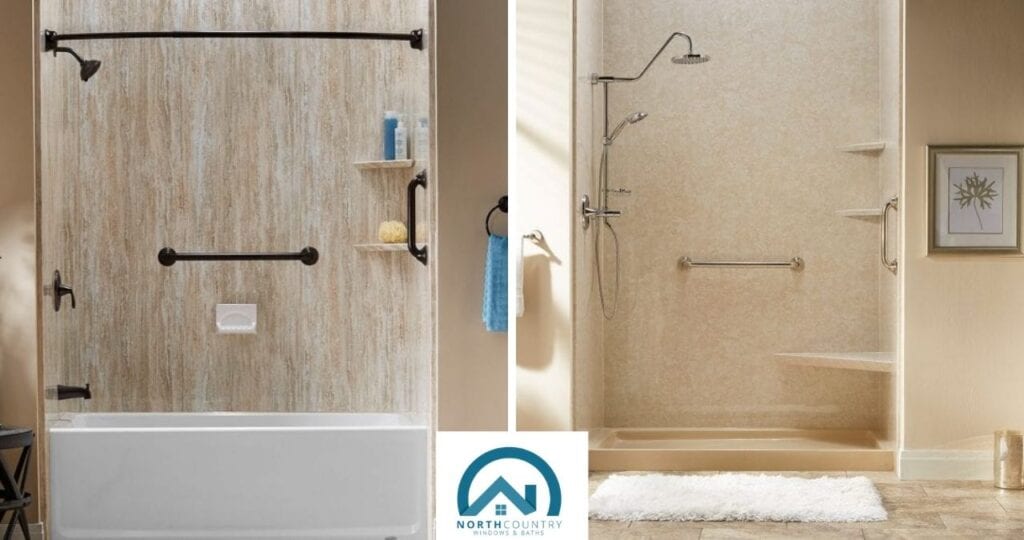
Whether you want a tub shower combo surrounded by subway tile or a low threshold shower with granite-like walls, you can customize your BathWraps space and even add accessories like soap dishes, caddies, seating, grab bars, and more. Contact us today.
More information about our Bathroom Remodels process: Click Here!