The bathroom is one of the most hazardous rooms in any home. Hard surfaces, tight spaces, and slippery floors create a dangerous environment, especially for older adults. According to the CDC, falls are the leading cause of injury among seniors, and a significant portion of these accidents happen while getting in and out of the tub or shower.
Whether you are remodeling your home to age in place or updating a bathroom for an elderly parent, prioritizing safety is essential. By making a few strategic modifications, you can drastically reduce the risk of falls, promote independence, and create a space that is both functional and comfortable.
Here is a comprehensive guide to making your bathroom safe and senior-friendly.
Essential Safety Upgrades for Seniors
Making a bathroom safer does not necessarily require a complete demolition. Sometimes, targeted upgrades to the highest-risk areas can make all the difference.
Install Non-Slip Flooring Solutions
Slip-resistant floors are the first line of defense in a wet environment. Remove any throw rugs that do not have a rubberized backing, as these are major tripping hazards. Inside the shower or tub, apply adhesive anti-slip strips or use a heavy-duty, suction-backed rubber mat. If you are doing a full remodel, consider replacing smooth tile with textured vinyl, rubber, or matte-finish tiles that provide grip even when wet.
Add Strategically Placed Grab Bars
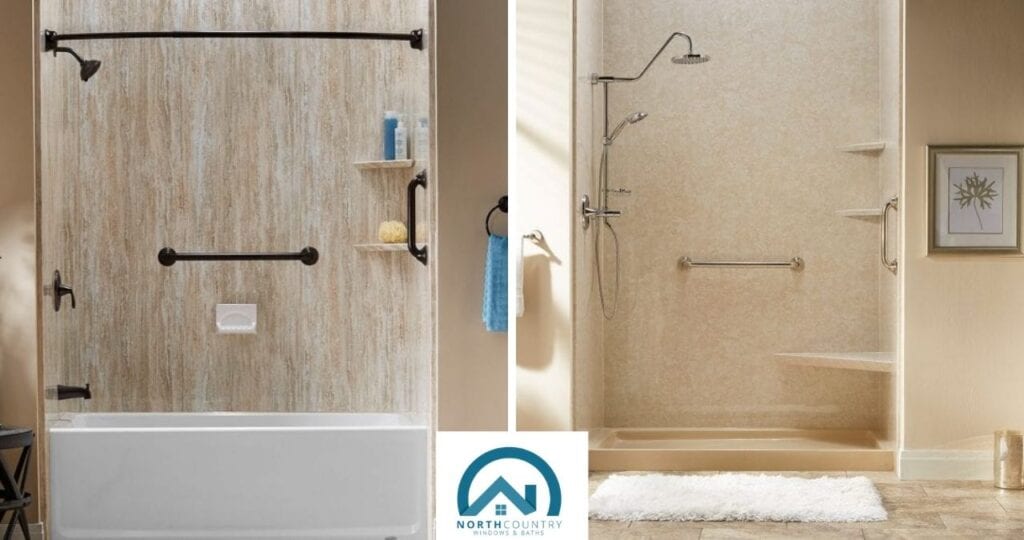
Towel racks and soap dishes are not designed to hold a person’s body weight. Securely mounted grab bars are vital for helping seniors sit, stand, and balance. For maximum safety, grab bars should be installed in three key areas:
- Inside the shower or bathtub
- Just outside the shower entrance for safe transfers
- On one or both sides of the toilet
Upgrade to Walk-In Showers and Tubs
Stepping over a high bathtub wall is incredibly difficult for seniors with limited mobility or joint pain. A low-threshold walk-in shower eliminates this barrier, allowing easy, step-free access. For seniors who prefer bathing or require hydrotherapy for aches and pains, a walk-in tub with a watertight side door and built-in seating is the safest alternative. Both options drastically reduce the risk of slipping while entering or exiting the wash area.
Accessible Bathroom Layout and Fixtures
An ADA-compliant or senior-friendly bathroom should allow the user to move freely without obstruction. Creating a clear layout with easy-to-use fixtures supports independent living and reduces daily frustration.
Widen Doorways and Clear Pathways
A bathroom doorway should ideally be at least 32 to 36 inches wide to comfortably accommodate a walker or wheelchair. Inside the room, remove unnecessary furniture, hampers, or clutter to ensure there is a clear turning radius.
Install Comfort-Height Toilets
Standard toilets are often too low, making sitting down and standing back up a painful chore for seniors with bad knees or hips. Comfort-height toilets stand 17 to 19 inches from the floor to the seat. This added height functions like a raised chair, reducing physical strain and lowering the risk of a fall.
Switch to Lever-Style Faucets
Twisting a traditional round knob requires grip strength and dexterity that many seniors lack due to arthritis. Replacing standard knobs with lever-style faucet handles allows the user to turn the water on and adjust the temperature easily with just one hand or wrist.
Comfort and Convenience Enhancements
Safety is the priority, but comfort matters just as much. A few simple adjustments to lighting and organization can make the bathroom a much more welcoming space.
Improve Lighting and Visibility
Poor lighting hides wet spots and tripping hazards. Ensure the bathroom is equipped with bright, evenly distributed light. Use LED bulbs with a daylight color temperature to reduce harsh shadows. Additionally, install motion-sensor nightlights near the floor to illuminate the path from the bedroom to the bathroom during the night.
Keep Items Within Easy Reach
Bending down to search through lower cabinets or reaching high up for a fresh towel can cause a senior to lose their balance. Keep daily essentials like soap, shampoo, and toilet paper stored between waist and shoulder height. A shower caddy or wall-mounted shelf inside the shower prevents the need to bend over to pick up dropped bottles.
Monitor Water Temperature
Seniors have thinner, more sensitive skin and may not react to extreme heat quickly enough to avoid a burn. To prevent accidental scalding, lower the home’s water heater thermostat to 120 degrees Fahrenheit or below. Installing an anti-scald pressure-balancing valve in the shower also prevents sudden temperature spikes if someone flushes a toilet elsewhere in the house.
Frequently Asked Questions About Senior Bathroom Safety
What is the best type of shower for an elderly person?
The safest option for a senior is a walk-in shower with a low or zero-clearance threshold. This design eliminates the need to step over a high curb. To maximize safety, the shower should also include a built-in bench or removable shower chair, a handheld showerhead, and securely mounted grab bars.
Does Medicare cover the cost of a walk-in tub or shower?
In most cases, Original Medicare does not cover the cost of a bathroom remodel, walk-in tub, or new shower, as these are considered home modifications rather than durable medical equipment. However, certain Medicaid waiver programs or Veterans Affairs (VA) benefits may offer financial assistance to seniors who require these upgrades for medical reasons.
Where should grab bars be placed in a bathroom?
Grab bars should be installed in the areas where falls are most likely to occur. This includes inside the shower or tub for balance while washing, vertically at the shower entrance for safe transfers in and out of the water, and horizontally or diagonally next to the toilet to assist with sitting and standing.
How high should a toilet be for a senior?
A senior-friendly or “comfort-height” toilet should measure between 17 and 19 inches from the floor to the top of the seat. This is roughly the same height as a standard dining chair, making it much easier on the knees and hips than a traditional 15-inch toilet.
Are bath mats safe for seniors?
Standard bath mats or throw rugs without rubber backing are incredibly dangerous for seniors because they slide easily and create tripping hazards. If you must use a mat to keep the floor dry, choose one with a heavy-duty, non-slip rubberized bottom and ensure the edges do not curl up.
Update Your Bathroom with North Country Windows & Baths
Creating a safe, accessible bathroom gives your loved ones the freedom to care for themselves with confidence and dignity.
At North Country Windows & Baths, we specialize in transforming hazardous bathrooms into secure, spa-like retreats. Whether you need a low-threshold walk-in shower with safety seating or a premium walk-in tub featuring built-in grab bars, our expert team can customize a solution that fits your exact space and budget.
Do not wait until a fall happens to make your bathroom safe. Contact us today to to learn more about our senior-friendly remodeling options in Omaha, Lincoln, and Eastern Nebraska.
More information about our Bathroom Remodels process.