Common bathroom remodeling mistakes can turn a simple renovation into a costly and stressful project. Small errors in planning, material selection, ventilation, or layout often result in delays, additional expenses, and unsatisfactory outcomes. Frequent problems include poor planning, wrong material choices, bad ventilation, and layout or lighting errors. Addressing these early prevents unnecessary setbacks.
Understanding where bathroom remodels commonly go wrong helps prevent unnecessary costs and delays. Practical guidance focuses on planning, budgeting, materials, ventilation, lighting, storage, and permits to ensure a functional, long-lasting bathroom.
What Are the Most Common Bathroom Remodeling Mistakes?
Common Bathroom Remodeling Mistakes
A successful remodel relies on detailed plans, realistic budgets, proper ventilation, and durable materials. Skipping any of these elements often results in delays, additional costs, and recurring issues.
Ignoring Proper Planning
Many renovations begin demolition before layouts, plumbing, and electrical plans are finalized. This can create conflicts when pipes or wiring occupy areas intended for vanities or showers. Accurately measured drawings and a plumbing and electrical map are essential before purchasing fixtures.
A permit check and timeline help prevent unexpected issues. Tradespeople require clear access and floor protection. Without a staged plan, projects can take weeks longer and force last-minute design changes.
Creating a room-by-room checklist of fixtures, rough-in locations, finish materials, and delivery dates helps keep contractors and suppliers aligned.
Underestimating the Budget
Budgets often cover visible items like tiles and fixtures while overlooking hidden costs. These can include plumbing relocations, permit fees, asbestos or lead remediation, and temporary storage. Such items frequently add 10 to 30 percent to the quoted cost.
Obtaining at least three detailed estimates and comparing line items, not just the final price, helps identify gaps. Including a contingency of 15 to 20 percent accounts for unforeseen expenses. Tracking payments and change orders in writing reduces surprises.
A simple budget table can be used to track spending. Line items may include demo, plumbing, electrical, tile, fixtures, labor, and permits. Contingency can be 15 to 20 percent of the subtotal.
Overlooking Ventilation Needs
Inadequate ventilation leads to mold, peeling paint, and lingering odors. Many bathrooms rely on undersized fans or skip ducted fans entirely. Selecting a fan rated for the room size and ducted to the exterior is essential.
Placement near showers or tubs is recommended, along with humidity-sensing models or timers to ensure adequate airflow. Inspect ducts for bends and length, as elbows reduce fan efficiency and may require higher capacity.
Local codes often specify minimum ventilation rates. Installing a backdraft damper prevents outside air and pests from entering.
Choosing Inadequate Materials
Materials not rated for wet environments deteriorate quickly. Standard paint, untreated wood cabinets, and non-slip tiles used in showers cause long-term problems. Moisture-resistant drywall, slip-rated tiles, and waterproof grout or sealants improve durability.
Match materials to how each area is used. Install fully waterproof materials in showers and tub surrounds, use water-resistant finishes near sinks and vanities, and choose durable flooring designed to handle frequent foot traffic.
Confirm warranties and maintenance needs. Saving on cheap materials often results in higher repair costs within a few years.
How to Avoid Bathroom Renovation Errors
Starting with a clear plan, a realistic budget, and proper permits prevents delays and extra costs. Hiring licensed professionals, adding smart storage, and following local codes ensure smoother project execution.
Hiring Unqualified Contractors
Licenses, insurance, and references should always be verified. Request copies of the contractor’s license, general liability, and workers’ compensation insurance. Contact at least two recent clients and inspect completed projects if possible.
Obtain at least three detailed bids breaking out labor, materials, permits, and timelines. Avoid low bids lacking specifics, as they may skip code work or use low-quality materials.
Use a written contract specifying start and end dates, scope, fixture brands, change-order rules, and cleanup responsibilities. Verify permit handling and inspection responsibilities.
Neglecting Storage Solutions
Proper storage prevents clutter and improves functionality. Measure items like towels, toiletries, and cleaning supplies to determine needs. Drawer organizers, medicine cabinets, and wall-hung vanities optimize space.
Storage should be located near usage areas. Place drawers by sinks, linen cabinets near tubs, and recessed niches in showers. Adjustable shelving adapts to changing needs.
Moisture-resistant materials such as marine-grade plywood or PVC are recommended. Combining hidden storage with minimal decorative open shelving balances aesthetics and practicality.
Skipping Necessary Permits
Local building departments can clarify required permits for plumbing relocations, electrical circuits, and structural changes. Applying for permits before demolition avoids stop-work orders.
Permits ensure compliance with safety and health codes and allow inspections to catch mistakes early. Maintaining copies of permits and inspection reports supports resale value and prevents costly retroactive fixes if inspectors identify unpermitted work.
Frequently Asked Questions
How can poor ventilation affect a bathroom remodel?
Excess moisture damages walls, ceilings, tiles, and framing. Mold, peeling paint, and rot shorten the lifespan of finishes and fixtures, often requiring costly replacements.
What are the consequences of not waterproofing a bathroom correctly?
Incorrect waterproofing allows water to penetrate floors and walls, causing structural damage, mold growth, and expensive repairs. Leaks can void warranties and require invasive remediation.
Why is fixture placement important?
Poorly placed fixtures can make a bathroom feel cramped and awkward to use. Correct placement ensures enough space to move freely, allows easy access to plumbing, and meets building code clearance requirements.
What are the risks of neglecting the bathroom layout?
Neglecting the bathroom layout can lead to tight, uncomfortable spaces, wasted square footage, and poorly organized storage. Thoughtful planning from the start helps prevent costly changes and ensures the bathroom is functional and easy to use.
What issues can poor bathroom lighting cause?
Low or uneven lighting can make daily tasks like grooming difficult, create safety hazards, and make the bathroom feel smaller. A combination of ambient and task lighting ensures the space is bright, safe, and functional.
North Country Windows & Baths in Omaha, Lincoln, NE, and the Surrounding Areas
At North Country Windows & Baths, our Windows are backed by a Lifetime Warranty, giving our customers peace of mind. Each window is custom-made to fit your home with state-of-the-art engineering by design, and energy efficiency enhanced by style. Our windows are made to last for years of maintenance-free beauty.
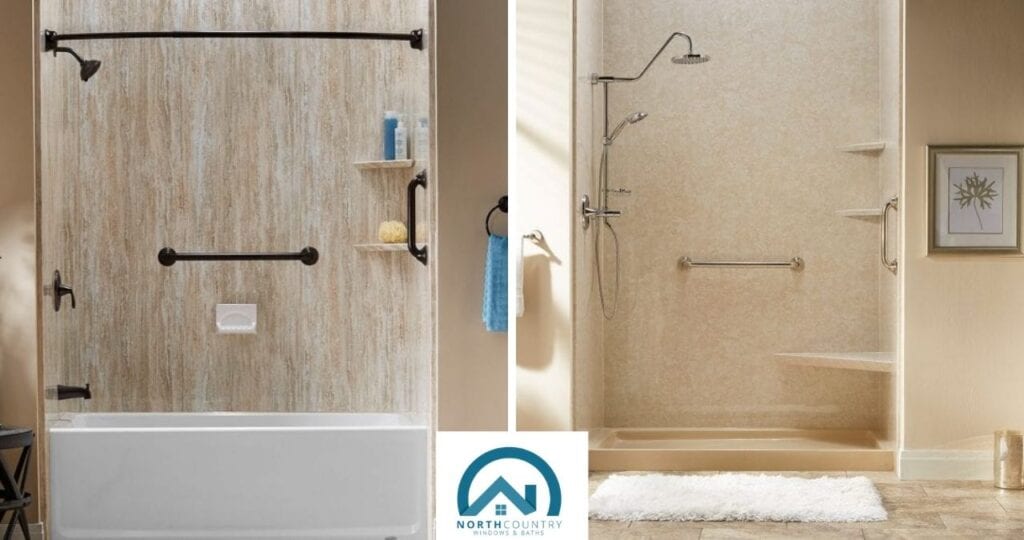
Whether you want a tub shower combo surrounded by subway tile or a low threshold shower with granite-like walls, you can customize your BathWraps space and even add accessories like soap dishes, caddies, seating, grab bars, and more. Contact us today.
More information about our Bathroom Remodels process: Click Here!